British Airways Flight Declares Mayday Over London After Stall Warnings in Serious Incident
A British Airways Airbus A320, flight BA919 from Dusseldorf, declared a mayday emergency on approach to Heathrow on July 6 after an air data system failure triggered stall warnings at 3,000 feet. The aircraft lost automated protections, requiring the captain to intervene in what experts describe as the most serious near-miss in UK aviation in years.
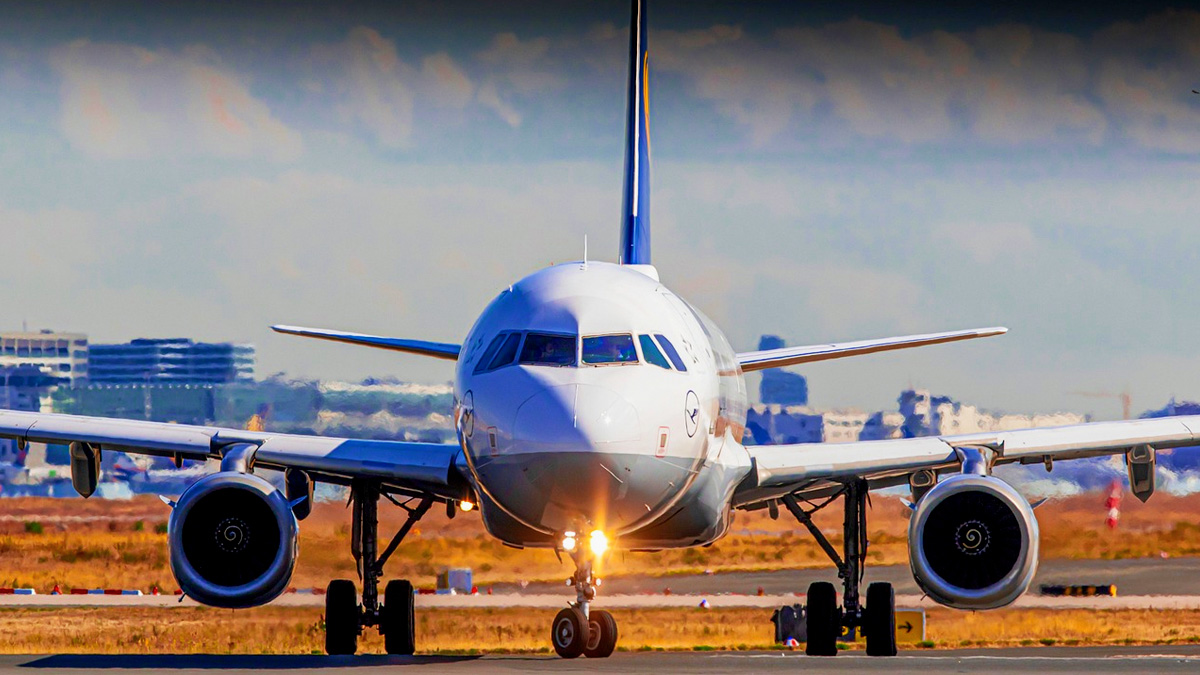
Image related to British Airways Flight Declares Mayday Over London After Stall Warnings in Serious Incident. (Photo: Metro Daily Reporter)
Table of Contents
Passengers Describe Fear as Aircraft Encounters Emergency
A British Airways flight from Dusseldorf to London Heathrow declared a mayday emergency on July 6 after the Airbus A320 experienced multiple stall warnings during its approach to the airport. The incident, which involved a dramatic loss of altitude and a violent recovery manoeuvre, has been classified as a "serious incident" by the UK Air Accidents Investigation Branch.
Edward Killiwick, a passenger on the flight travelling with his partner Julie, described the rising fear in the cabin and a lack of information from the crew. "The violent manoeuvre almost felt like it was avoiding another aircraft. You could feel the engines going at full power," he told the BBC. After the landing was aborted, passengers were left in a holding pattern for about 15 minutes with no updates. "I thought if they're not talking, then they're not in a good place," Killiwick said.
The situation escalated when a woman in the cabin "completely lost it and started screaming, 'I don't want to die'." Killiwick and his partner had to comfort the distraught passenger. "I did think we could crash," he admitted, adding that the silence among passengers after the safe landing was "eerie." Several fire trucks and a police car were on the tarmac when the aircraft touched down, and while some passengers clapped, "not that many because I think everyone was just relieved to be on the ground."
Technical Failure Triggers Loss of Automated Protections
The incident occurred on flight BA919 from Düsseldorf Airport (DUS) to London Heathrow on July 6. According to France's accident investigation authority, the BEA, the aircraft experienced an Air Data Reference (ADR) failure during the approach phase . An ADR system, which uses sensors including pitot probes and static ports, calculates critical flight information such as airspeed, altitude, and other flight parameters .
Following the ADR failure, the aircraft's flight control system reverted from Normal Law to Alternate Law . In Normal Law, the aircraft's fly-by-wire system provides a full suite of flight envelope protections designed to prevent excessive pitch, bank angle, overspeed, and aerodynamic stalls . In Alternate Law, some or all of these protections are reduced or unavailable, requiring pilots to rely more heavily on manual handling and abnormal operating procedures .
The crew initially declared a PAN PAN, the international radio signal for an urgent but not life-threatening emergency, indicating they required priority handling from air traffic control . The approach was discontinued, and the aircraft entered a holding pattern while the crew assessed the situation .
Second Stall Warning and Mayday Declaration
During the subsequent approach, a further stall warning occurred at approximately 3,000 feet (915 meters) . According to flight data reported by The Standard, the aircraft had previously dropped from 6,000 ft to just under 4,000 ft in four minutes, with groundspeed falling to around 148 knots—only slightly faster than landing speed .
The AAIB reported that the crew carried out what investigators described as a "potentially abrupt recovery manoeuvre," during which the aircraft descended to around 2,200 feet (670 metres) before regaining the instrument approach . It was at this point that the crew upgraded the emergency call from PAN PAN to MAYDAY, indicating imminent danger . The aircraft then landed safely without further incident, with no reported injuries or damage .
The Times, citing unnamed sources, reported that the captain physically intervened after the first officer was unable to remedy the situation . The same source described the incident as coming close to a "hull loss"—a term used when an aircraft is destroyed or damaged beyond economic repair . The Sun quoted an unnamed source calling it "the most serious 'near miss' in the UK in years," adding: "To recover from this position is difficult, especially so low to the ground" .
Investigation Underway
The AAIB has opened a formal investigation, which it has categorised as a "correspondence investigation," meaning no team will be sent to carry out field inspections . The BEA's statement attributed the information to the AAIB, though the UK investigators would not confirm it was from them . "The AAIB is investigating a serious incident involving a commercial aircraft which occurred on 6 July on approach to Heathrow airport," the branch said in a brief statement .
Aviation safety investigator David Gleave told the BBC that while mayday calls can be issued for various reasons, including medical emergencies, it is "very unusual" for such a call to be prompted by "a significant failure on board the aeroplane" . The captain is understood to be grounded on "stress leave," according to The Sun .
The AAIB's preliminary notification does not state that the aircraft entered an aerodynamic stall; it confirms that stall warnings were generated following the ADR failure . Investigators have not yet determined whether those warnings accurately reflected the aircraft's aerodynamic state or whether they were influenced by erroneous air data resulting from the system failure .
A British Airways spokesperson confirmed the airline is "assisting the AAIB with its investigation" and is "legally unable to comment further at this stage" . As the investigation proceeds, a final report is expected to provide a fuller understanding of the technical failure, the crew's response, and whether any safety recommendations emerge for British Airways or the aviation industry as a whole .

Related Articles