Alaska Airlines Paid $2.6 Billion for Virgin America Then Killed the Brand in 2 Years - Here's Why?
Alaska Airlines acquired Virgin America for $2.6 billion in 2016 primarily to block JetBlue from winning the bid and expanding on the West Coast. Despite Virgin America being one of America's most beloved airline brands, Alaska retired it within two years to streamline operations, cut costs, and strengthen its own brand identity.
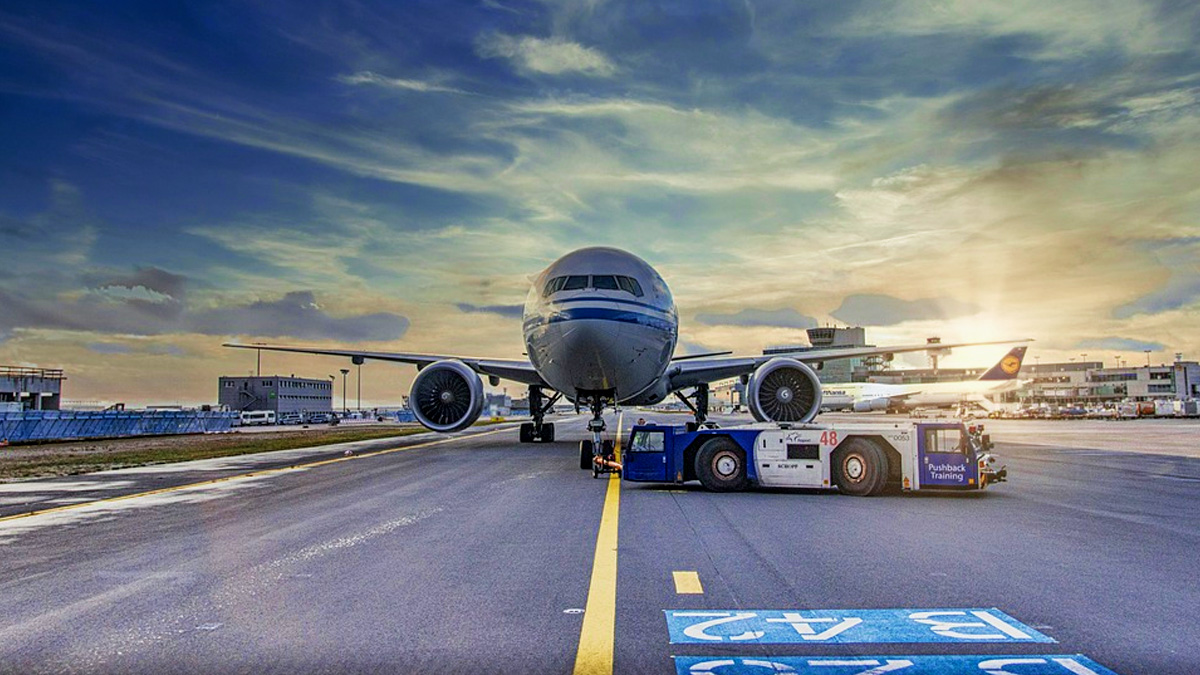
Image related to Alaska Airlines Paid $2.6 Billion for Virgin America Then Killed the Brand in 2 Years - Here's Why?. (Photo: Metro Daily Reporter)
Table of Contents
Alaska Airlines Paid $2.6 Billion for Virgin America Then Retired the Brand Within Two Years — The Inside Story. Alaska Airlines acquired Virgin America for $2.6 billion in 2016 primarily to block JetBlue from winning the bid and expanding on the West Coast. Despite Virgin America being one of America's most beloved airline brands, Alaska retired it within two years to streamline operations, cut costs, and strengthen its own brand identity. The company inherited a fleet of 67 Airbus aircraft but eventually phased them out in favor of Boeing 737s. Ironically, Alaska continues paying Virgin Group approximately $8 million annually in royalties until 2039, even though it no longer uses the name. In contrast, Alaska's 2024 acquisition of Hawaiian Airlines is being handled differently, with the company committing to maintain Hawaiian as a separate brand due to its deep local and historical significance.
A Deal Driven by Defense, Not Love
When Alaska Airlines announced its $2.6 billion acquisition of Virgin America in 2016, the move surprised many industry observers. Virgin America was arguably the most beloved airline brand in the United States, renowned for its purple mood lighting, touchscreen entertainment systems, and premium in-flight service. Since launching operations in 2007, the carrier had cultivated a loyal following among tech-savvy travelers who appreciated its modern amenities and youthful vibe.
But Alaska's interest in Virgin America had little to do with acquiring a beloved brand. The acquisition was primarily defensive in nature. JetBlue had emerged as the frontrunner in the bidding process, and Alaska executives grew increasingly concerned about what a JetBlue-Virgin America combination would mean for competition on the West Coast. Both JetBlue and Virgin America were known for offering premium experiences at low-cost prices, and they shared a common fleet strategy centered on the Airbus A320 family. A merger would have created a formidable competitor on Alaska's home turf, threatening its dominance in markets like Seattle, Portland, and California.
Alaska ultimately paid $2.6 billion in equity value, with the total transaction valued at approximately $4 billion when including debt and aircraft leases. The deal prevented JetBlue from gaining a stronger West Coast presence, but it left Alaska with significant integration challenges.
The Brand That Disappeared
Despite Virgin America's widespread popularity and strong brand equity, Alaska made the decision to retire the name within two years of closing the acquisition. The final Virgin America flight operated on April 24, 2018, marking the end of a brand that had captured the hearts of American travelers for just over a decade.
The decision was driven by cold, hard business logic. Operating two separate brands would have required duplicate marketing expenditures, fragmented employee training programs, separate reservation systems, and ongoing technology headaches. Alaska's leadership concluded that consolidating operations under a single brand would generate run-rate synergies of approximately $225 million annually. The airline could streamline its frequent flyer programs, simplify its fleet logistics, and present a unified front to customers.
However, the brand retirement also came with cultural costs. Virgin America employees had embraced the company's distinctive identity, and many customers mourned the loss of features like the signature purple cabin lighting and the interactive seatback entertainment system. Alaska, by contrast, operated an all-Boeing 737 fleet and offered a more traditional flying experience.
Fleet Integration Challenges
The acquisition brought Alaska a fleet of 67 Airbus aircraft, including ten A319-100s, 53 A320-200s, and four A321neos. Alaska later took delivery of six additional A321neos while canceling inherited orders for the A320neo. Integrating these aircraft into an all-Boeing operation presented significant challenges.
Rather than maintaining a mixed fleet, Alaska ultimately phased out the Airbus aircraft entirely. The A319s were retired during the COVID-19 pandemic, and the remaining Airbus jets were phased out by 2023. Alaska has since focused on expanding its Boeing 737 fleet, returning to the single-manufacturer strategy that had defined its operations before the acquisition.
The Virgin Group Royalty Nightmare
In one of the more ironic twists of the acquisition, Alaska continues to pay for the right to use a brand it no longer operates. Under the original licensing agreement, Virgin America was required to pay royalties to the Virgin Group for use of the name. After retiring the brand, Alaska ceased making payments, arguing that it should not pay for a name it no longer used.
The dispute ultimately reached the London High Court, which ruled in 2023 that Alaska must continue paying royalties to the Virgin Group until 2039, regardless of whether the Virgin America name is used or not. While the annual payment of approximately $8 million is relatively small compared to Alaska's quarterly revenue of $4.1 billion, the ruling serves as a reminder of the long-term financial commitments that can accompany mergers and acquisitions.
Strategic Shifts on the West Coast
The acquisition did little to change the competitive dynamics in California markets. San Francisco remains a fortress hub for United Airlines, while Los Angeles is home to substantial operations from American Airlines, Delta Air Lines, Southwest Airlines, and United Airlines. Alaska lacked the scale and network to pose a serious threat to these established players, particularly in long-haul markets with lie-flat premium seating.
As a result, Alaska has pulled back from some California airports, instead focusing on growing its network in the Pacific Northwest and developing San Diego as a smaller hub with less intense competition. While the airline emerged from the acquisition larger and better positioned on the West Coast, it found itself in a similar competitive position to Virgin America: a smaller carrier operating out of airports dominated by larger competitors.
A Different Approach for Hawaiian Airlines
When Alaska Airlines acquired Hawaiian Airlines in 2024, many observers expected the Hawaiian brand to suffer the same fate as Virgin America. However, Alaska has taken a distinctly different approach this time, committing to maintain Hawaiian as a separate brand.
The decision reflects Hawaiian Airlines' unique status as a carrier deeply tied to the history and culture of Hawaii. Unlike Virgin America, which was essentially a California-based carrier with a trendy brand, Hawaiian Airlines holds profound local significance that extends beyond commercial aviation. The airline serves as a cultural ambassador for the islands and maintains strong emotional connections with residents and visitors alike.
Alaska has confirmed that flights to and from Hawaii will continue to be branded as Hawaiian, while other routes will carry the Alaska name. The Airbus A321neos, A330-200s, and Boeing 717s will retain the Hawaiian livery, and some 737-800s will be repainted in Hawaiian colors when they replace the aging 717s. Crew members will keep the Hawaiian uniform, and while all flights now operate under a single reservation system and the "AS/ASA" code, the Hawaiian brand identity remains intact.
Lessons from Two Mergers
Alaska's experience with these two acquisitions offers valuable insights into the airline industry's merger dynamics. First, defensive acquisitions can be necessary to block competitors from gaining strategic advantages, even if the target doesn't perfectly align with the acquirer's operations. Second, beloved brands can disappear quickly when operational efficiency and cost savings take priority over customer sentiment. Third, some brands possess such deep cultural and geographic significance that they survive consolidation.
For Alaska, the Virgin America acquisition ultimately achieved its primary defensive objective: JetBlue did not gain a foothold on the West Coast. The integration also expanded Alaska's network and increased its market presence, even as the Virgin America brand disappeared. But the expensive court ruling over royalties and the challenges of integrating an Airbus fleet serve as cautionary tales for future acquisitions.
The Hawaiian Airlines integration, still in its early stages, will provide another test of Alaska's ability to execute complex mergers while preserving brand equity and customer loyalty.

Related Articles