Ebola Outbreak in DRC Becomes Second Largest on Record as Cases Surpass 3,500
The Democratic Republic of the Congo is battling its most severe Ebola outbreak, now the world's second largest by recorded infections, with over 3,500 cases and 1,500 deaths. The virus, a rare strain with no approved vaccine, is spreading rapidly across five provinces, fueled by conflict, displacement, and community mistrust. As the Africa CDC warns of uncontrolled transmission, a vaccine candidate has entered human trials, offering a glimmer of hope.

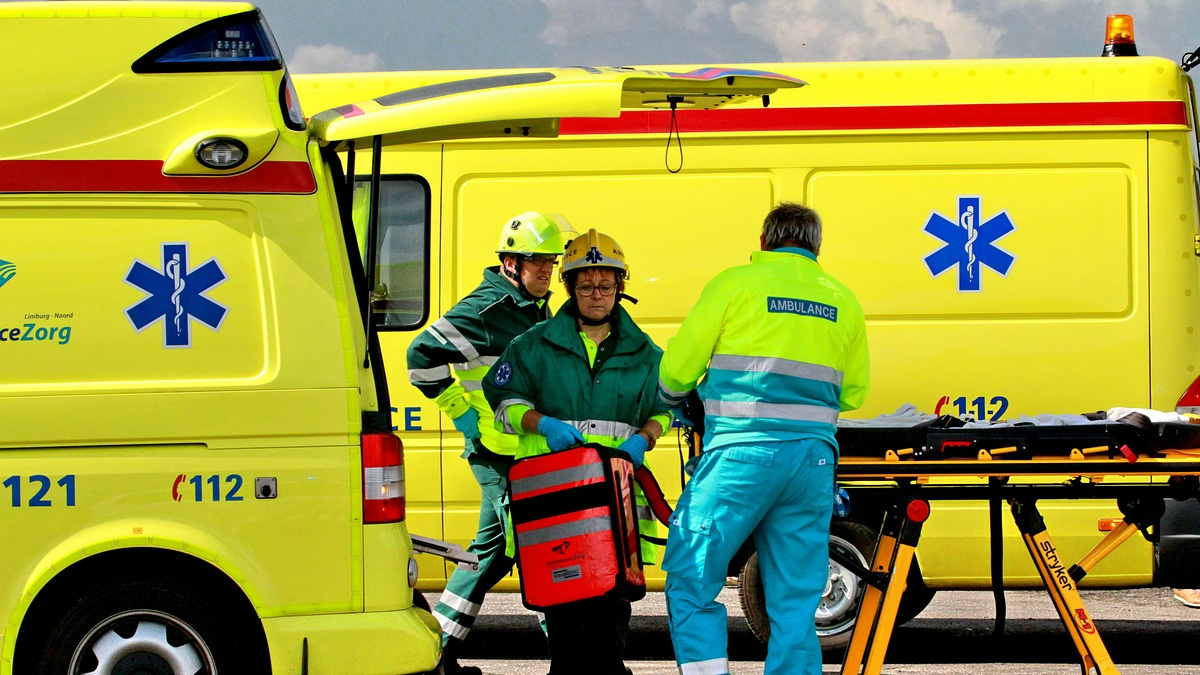
Image related to Ebola Outbreak in DRC Becomes Second Largest on Record as Cases Surpass 3,500. (Photo: Metro Daily Reporter)
Table of Contents
Outbreak Becomes Second Largest in History
The Democratic Republic of the Congo's (DRC) current Ebola outbreak has officially become the second largest on record, with confirmed cases exceeding 3,500 . According to the DRC Ministry of Communication and Media, confirmed infections have reached 3,532, surpassing the roughly 3,470 cases recorded during the country's 10th outbreak between 2018 and 2020 .
Only the devastating 2014-2016 West Africa outbreak, which recorded 28,616 cases and 11,310 deaths across Guinea, Liberia and Sierra Leone, remains larger . The current outbreak has claimed 1,556 lives, with a case fatality rate of 44.1% . Health officials report that 807 patients remain in isolation or hospital, while 626 have recovered .
Fastest Growing Outbreak in Known History
The World Food Programme's acting head Carl Skau has described this as "the fastest spreading Ebola epidemic that we have ever seen," warning that "the world needs to pay much more attention" . Less than three months since the outbreak was declared on May 15, the disease has killed five times as many people as previous outbreaks had by the same stage, according to the Africa Centres for Disease Control and Prevention (Africa CDC) .
Africa CDC Director-General Jean Kaseya described the situation as not yet under control, with more than 80% of new cases in the epicenter lacking identified links to known contacts, and more than 60% of deaths occurring within communities rather than at Ebola treatment centers .
A Rare and Dangerous Strain
The outbreak is caused by the rare Bundibugyo strain of the Ebola virus, first identified in Uganda in 2007 . Unlike the more common Zaire strain, for which licensed vaccines are available, there is currently no approved vaccine or specific treatment for the Bundibugyo virus .
The virus has affected five provinces across eastern DRC: Haut-Uele, Ituri, North Kivu, South Kivu, and Tshopo . Ituri province remains the epicenter, accounting for nearly 90% of cases . The epidemic has now spread to nearly 50 health zones, with a new zone recently affected in Tshopo province .
Conflict and Insecurity Hampering Response
The outbreak is unfolding in one of the most volatile regions of eastern DRC, where dozens of armed groups operate . WHO Director-General Tedros Adhanom Ghebreyesus warned that eastern Congo faces "a catastrophic collision of disease and conflict," where insecurity, attacks on health facilities and population movements make it "nearly impossible" to trace contacts and isolate cases .
"There are issues of insecurity, mining and high population density, which make the current outbreak more complex than previous ones," said Prof Pierre Akilimali from the country's public health institute . Displacement from armed conflict has made it difficult to trace thousands who have come in contact with infected individuals .
International partners supporting the Ebola response in Ituri's Nyakunde health zone temporarily relocated after a July 15 attack on a hospital and a treatment center . Officials say the relocation of aid groups has disrupted surveillance, contact tracing and supplies, with existing stocks now "almost depleted" .
Community Mistrust and Misinformation
Health workers also face significant challenges from community mistrust and misinformation. Angele Gapio, head of emergencies for the Caritas charity in Bunia, said awareness campaigns were failing and front-line responders were exhausted .
"The disease has now settled in the community. People continue to seek treatment from traditional healers, and the chain of transmission continues," she told Reuters . Misinformation that the virus isn't real and anger over restrictions on traditional funeral practices have led to attacks on health facilities .
Pierre Akilimali, Ebola response incident manager, noted that health workers are "working amidst risks of infection as well as risks to their personal safety" . In many affected areas, health facilities are either non-functional or operating under severe constraints due to insecurity .
Urgent Funding Needs
The Africa CDC has repeatedly appealed for funding to contain the outbreak, increasing its initial estimate from $518 million to $1.4 billion . "If we don't have this money, we will not stop this outbreak," Kaseya warned .
The funding gap is particularly acute for clinical trials of potential treatments. Of the $26 million needed for therapeutics trials, only $10 million has been secured, leaving a shortfall of $18 million .
Vaccine Development Underway
Despite the grim outlook, there are signs of progress. A Phase 1 trial of a vaccine candidate specifically targeting the Bundibugyo strain, ChAdOx1 BDBV, began in early July at the University of Oxford . The vaccine uses the same adenoviral vector platform as the Oxford/AstraZeneca COVID-19 vaccine .
The Serum Institute of India has already manufactured and stockpiled approximately 620,000 doses of the vaccine candidate . If the trial demonstrates favorable safety and immune responses, the partners will advance to larger late-stage studies to support emergency use authorization .
Other vaccine candidates are also being developed, including a single-dose vaccine based on the rVSV platform used for Merck's approved Ervebo Ebola vaccine, with doses expected to be ready for clinical testing by the end of the year . Moderna is also developing an mRNA vaccine against the strain .
Regional and Global Risk
Uganda, which this week declared the Ebola outbreak over on its territory 12 days after its last case, has sent experts to the DRC to work alongside their Congolese counterparts . The WHO says the global risk of spread remains low because Ebola spreads through direct contact with bodily fluids, not through the air .
In the DRC, however, the risk of spread remains "very high" according to the WHO . The true scale of the outbreak could be up to four times higher than official figures suggest . With nearly 10 million people in the affected provinces facing acute hunger, according to the UN-backed IPC food security monitor, the situation remains deeply precarious .

Related Articles