Florida Reports First Fatal Case of Vibrio Vulnificus in 2026 as Cases Rise in Warm Coastal Waters
Florida health officials have confirmed the state's first death of 2026 from Vibrio vulnificus, a rare but dangerous bacterium often referred to as "flesh-eating bacteria," as cases continue to emerge across the state. The death, which occurred in Palm Beach County, marks the first Vibrio-related fatality in the U.S. this year .

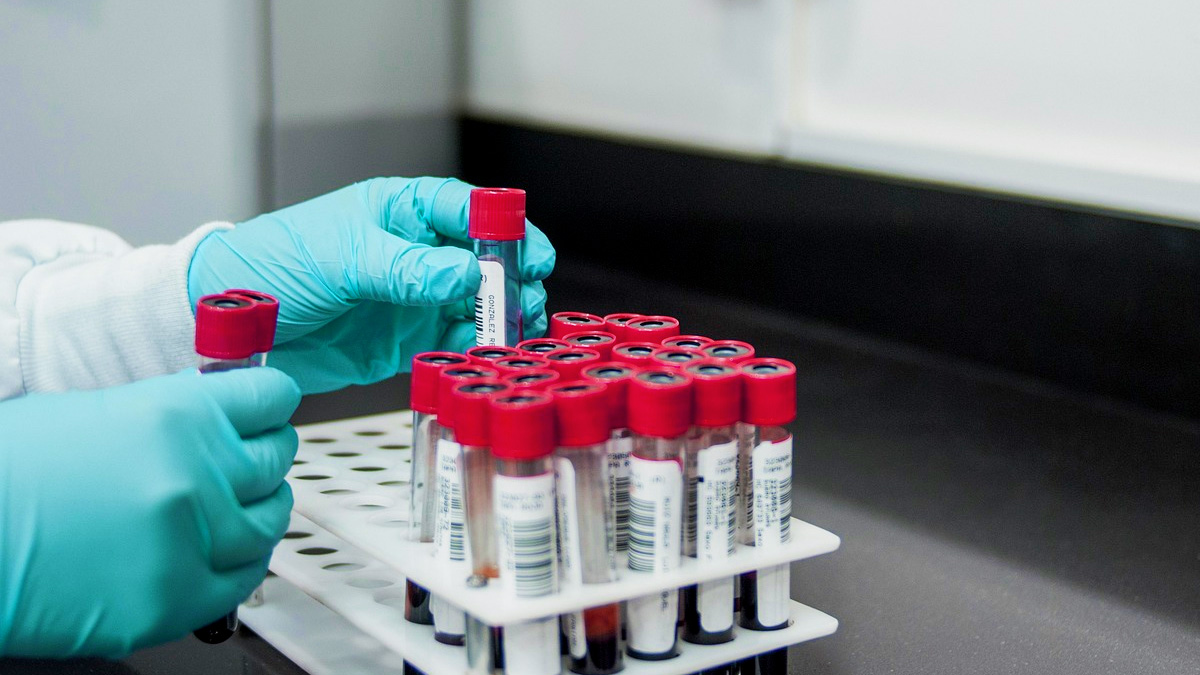
Image related to Florida Reports First Fatal Case of Vibrio Vulnificus in 2026 as Cases Rise in Warm Coastal Waters. (Photo: Metro Daily Reporter)
Table of Contents
Florida health officials have confirmed the state's first death of 2026 from Vibrio vulnificus, a rare but dangerous bacterium often referred to as "flesh-eating bacteria," as cases continue to emerge across the state. The death, which occurred in Palm Beach County, marks the first Vibrio-related fatality in the U.S. this year .
Cases and Locations: A Growing Concern in Florida
According to the Florida Department of Health, 11 cases of Vibrio vulnificus have been reported across eight counties so far this year . The cases are distributed across the state, with multiple counties reporting infections, including Hillsborough, Lee, Marion, Miami-Dade, Okaloosa, Palm Beach, Polk, and St. Johns . This follows a more active year in 2025, when Florida recorded 33 cases and five deaths from the infection .
The most recent case confirmed in Polk County on July 18, 2026, involved a victim aged 75-79, highlighting the vulnerability of older adults . The fatal case in Palm Beach County involved a resident between 80 and 84 years old, and the exact circumstances of the infection have not been publicly disclosed .
Understanding Vibrio Vulnificus: The "Flesh-Eating" Bacterium
Vibrio vulnificus is a naturally occurring bacterium found in warm, brackish coastal waters—the mixing zone where freshwater and saltwater meet in bays, estuaries, and along coastlines . It is part of the same family as cholera-causing bacteria and thrives in warmer temperatures, making infections most common between May and October when water temperatures are highest .
The bacterium is often called "flesh-eating" because, in severe cases, it can cause necrotizing skin infections that destroy tissue rapidly, sometimes requiring amputation to save a patient's life . However, the bacteria do not actually "eat" flesh; they produce toxins that cause tissue death and ulceration . According to the CDC, about one in five people with a V. vulnificus infection dies, and in severe cases, death can occur within one to two days of becoming ill .
How Infection Occurs: Open Wounds and Seafood
There are two primary ways people contract Vibrio vulnificus :
-
Open Wound Exposure: The bacteria can enter the body when an open wound, cut, or scrape comes into contact with warm saltwater or brackish water. This includes wounds from recent surgeries, piercings, or tattoos, as well as cuts acquired during aquatic activities . Even a tiny scratch can pose a risk. After hurricanes or flooding, storm surge can push coastal waters inland, increasing the risk of exposure .
-
Raw or Undercooked Shellfish: Eating raw or undercooked oysters and other shellfish harvested from warm coastal waters is another transmission route. In these cases, no open wound is required, as the bacteria enters the digestive tract . This route is particularly dangerous for individuals with underlying health conditions .
Who is at Risk? High-Risk Groups
While anyone can get a Vibrio infection, certain individuals are at significantly higher risk of severe illness and death :
-
Individuals with chronic liver disease (including alcohol-associated liver cirrhosis)
-
People with diabetes, cancer, HIV/AIDS, or thalassemia
-
Those receiving immune-suppressing therapy
-
People with hemochromatosis (abnormal iron metabolism)
-
Individuals with gastric disorders or those who have had recent stomach surgery
-
People taking medication to reduce stomach acid
A recent study found that people with these pre-existing conditions were 80 times more likely to develop V. vulnificus bloodstream infections than healthy individuals . Healthy individuals typically only develop a mild disease .
Symptoms and Treatment: A Medical Emergency
Symptoms of a Vibrio vulnificus infection can appear rapidly, often within one to three days of exposure . They include:
-
For wound infections: Increasing swelling, redness, and pain at the wound site, blistering skin lesions, and fever .
-
For ingestion: Vomiting, diarrhea, and abdominal pain .
-
In severe cases: Fever, chills, decreased blood pressure (septic shock), and blood-tinged blistering skin lesions .
Prompt medical treatment is critical. If V. vulnificus is suspected, doctors should immediately begin treatment with antibiotics such as doxycycline combined with a third-generation cephalosporin (e.g., ceftazidime) or ciprofloxacin . Aggressive attention to the wound site is essential, and necrotic tissue should be debrided. In severe cases, amputation of the infected limb may be necessary .
Prevention: How to Stay Safe
Health officials recommend the following precautions to prevent Vibrio vulnificus infection :
-
Avoid exposure: Stay out of saltwater or brackish water if you have an open wound, cut, or scrape. If you get a cut while in the water, leave the water immediately .
-
Cover wounds: If open wounds could come into contact with coastal water or raw seafood, cover them completely with a waterproof bandage .
-
Wash wounds thoroughly: After exposure, wash open wounds and cuts with soap and clean, running water .
-
Cook shellfish thoroughly: For shellfish in the shell, boil until the shells open and continue boiling for five more minutes, or steam until the shells open and continue steaming for nine more minutes. For shucked oysters, boil for at least three minutes, fry in oil at 375°F for at least three minutes, or broil three inches from heat for three minutes .
-
Wash hands: Always wash hands with soap and water after handling raw shellfish .
With the continued presence of Vibrio vulnificus in Florida's coastal waters, health officials advise residents and tourists to be vigilant, especially during the summer months and following storm events.

Related Articles