UN Warns of Super El Niño as Global Weather Patterns Shift Toward Extreme Heat, Drought, and Significant Snow
A rapidly intensifying El Niño is expected to strengthen into a "super" event by late 2026, prompting UN Secretary-General António Guterres to warn that the planet is "already on fire." The powerful weather system will likely disrupt India's monsoon, drive record global temperatures, and bring significant snowfall to parts of the U.S., while other regions face drought and extreme heat.
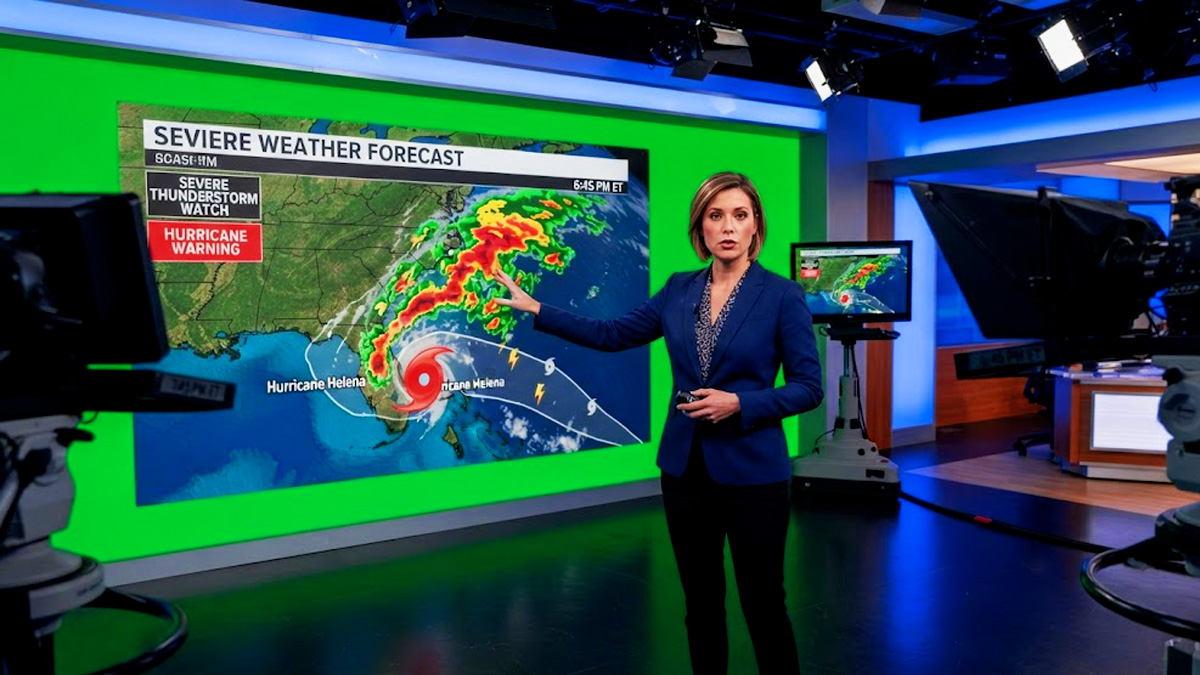
Image related to UN Warns of Super El Niño as Global Weather Patterns Shift Toward Extreme Heat, Drought, and Significant Snow. (Photo: Metro Daily Reporter)
Table of Contents
- 1. A Planet on Fire
- 2. The Science Behind the "Super" Event
- 3. Global Impacts: Heat, Drought, and Flood Risk
- 4. Threat to India's Monsoon
- 5. Global Temperature and Weather Extremes
- 6. U.S. Winter Outlook: Significant Snow on the Horizon
- 7. Where Snow is Expected
- 8. Polar Vortex Disruption
- 9. The UN's Call to Action
- 10. Conclusion: A Critical Moment
A Planet on Fire
United Nations Secretary-General António Guterres has issued a stark warning as a rapidly strengthening El Niño weather system takes hold, declaring that it is "adding fuel to a planet already on fire" and pushing the world into "uncharted territory" . The El Niño is now moving beyond forecasts and into real-world impact, with the World Meteorological Organization (WMO) confirming that the Pacific waters driving the phenomenon have never been this warm this early in an El Niño cycle .
The event is expected to strengthen significantly from August to October and could become a "super El Niño" by the end of the year, rivaling or even surpassing the record-setting 1997–1998 event, which caused widespread global devastation . This development comes as the world already grapples with extreme weather, including devastating wildfires across Europe and North America, and catastrophic flooding in South Asia .
The Science Behind the "Super" Event
El Niño is a natural climate pattern characterized by the unusual warming of sea surface temperatures in the central and eastern tropical Pacific Ocean . When these temperatures rise more than 2°C above average, the event is classified as a "super" or "very strong" El Niño .
The current event is developing at an alarming pace. Subsurface ocean temperatures across the equatorial Pacific have become significantly warmer than average, and that excess heat is beginning to rise toward the surface . NOAA's Climate Prediction Center gives this El Niño a 63% chance of reaching the "very strong" threshold between November 2026 and January 2027, with an 81% chance of reaching that intensity by the end of the year .
What makes this El Niño particularly concerning is its timing. "The Pacific waters driving it have never been this warm this early in an El Niño, and temperatures are still increasing," Guterres warned . The WMO projects sea surface temperatures could exceed 2.9°C above normal in several regions, representing an extraordinary anomaly .
Global Impacts: Heat, Drought, and Flood Risk
The consequences of this super El Niño will be felt across the planet, often in ways that compound existing climate vulnerabilities.
Threat to India's Monsoon
India's monsoon, which provides the rain on which hundreds of millions of farmers depend, is in significant danger. The WMO forecast indicates an "enhancement in the probability for below-normal rainfall" across the Indian Ocean basin . This could produce increased drought, floods, and wildfire risk across the region, threatening food security for a large portion of the global population .
Global Temperature and Weather Extremes
The WMO projects above-normal temperatures across nearly all land areas, with the most intense heat signals stretching across Africa, southern Europe, the Indian subcontinent, East Asia, and South America . Marine heatwaves have already shocked scientists this year and are set to intensify .
While some regions face drought, others will experience severe flooding. Higher-than-normal rainfall is expected in southern Europe, central Asia, the Horn of Africa, and southeastern South America . The El Niño is "inside the house and turning up the heat," Guterres stated, warning that the event will drive global temperature spikes and extreme weather .
U.S. Winter Outlook: Significant Snow on the Horizon
For the United States, a super El Niño typically reshapes winter weather patterns in predictable ways . The jet stream over the North Pacific tends to shift southward, bringing the storm track over the southern tier of the U.S. and delivering increased precipitation to states that often need it most .
Where Snow is Expected
According to the latest predictions, four states are bracing for significant snow this winter: California in the Sierra Nevada, New York, Vermont, and New Hampshire . Forecasters expect heavy rain and significant snow in these regions, with the Sierra Nevada and the mountain Southwest historically receiving above-average snowfall during strong El Niño winters .
For Colorado, a super El Niño would likely improve the odds of an active snow season, with more snow for the southern mountains and better chances for snow in the Denver area across eastern Colorado . Historical data from major El Niño events shows Colorado statewide snowpack ranging from 93% to 131% of average .
The pattern shifts northward as well: NOAA's snowfall analysis shows more snow than average across the Sierra Nevada and the mountains of the Southwest, from Utah and Colorado through New Mexico and Arizona, while less snow is expected across the northern tier from the Pacific Northwest through the Great Lakes .
Polar Vortex Disruption
Adding complexity to the forecast, some meteorologists warn that the super El Niño may increase the risk of a Polar Vortex disruption, potentially funneling Arctic air southward into the central and eastern U.S. . The combination of a more active southern storm track and Canadian high pressure could create a pathway for colder air to meet moisture-rich systems, potentially leading to strong winter storms and severe cold outbreaks .
The UN's Call to Action
Guterres used the El Niño forecast as an urgent call for governments to accelerate climate action and stop the expansion of fossil fuels . "Fossil fuels are fanning the flames of this crisis," he said. "Expansion must stop" . He also warned particularly of the risks to the billions of global workers exposed to dangerous and often life-threatening heat conditions .
Celeste Saulo, the secretary general of the WMO, emphasized that forecasts alone are not enough. "Forecasts in themselves do not prevent hazards, people do," she said. "The decisions we make today will shape the impacts we experience tomorrow" .
Conclusion: A Critical Moment
The emerging super El Niño is not just another weather event; it is a stress test for a world already struggling with the impacts of climate change. With record heat, threatened food supplies, and extreme weather on the horizon, governments, communities, and individuals face a critical moment. The pattern that is developing is a harbinger of the increased volatility that a warming planet can expect. For now, the warnings are clear: prepare for a year of unprecedented global weather extremes.

Related Articles