The AI Gold Rush is Sparking a Fierce Battle for Skilled Tradespeople, as Tech Giants Pour Millions into Training Electricians and Carpenters
The rapid expansion of artificial intelligence infrastructure across the United States has created an unprecedented demand for construction workers, particularly electricians and carpenters. Meta, Google, and BlackRock are collectively investing more than $265 million to recruit and train a new generation of skilled tradespeople to build the data centers that power the AI revolution . However, this "once-in-a-generation gold rush" is creating fierce labor tensions, sparking debates over training

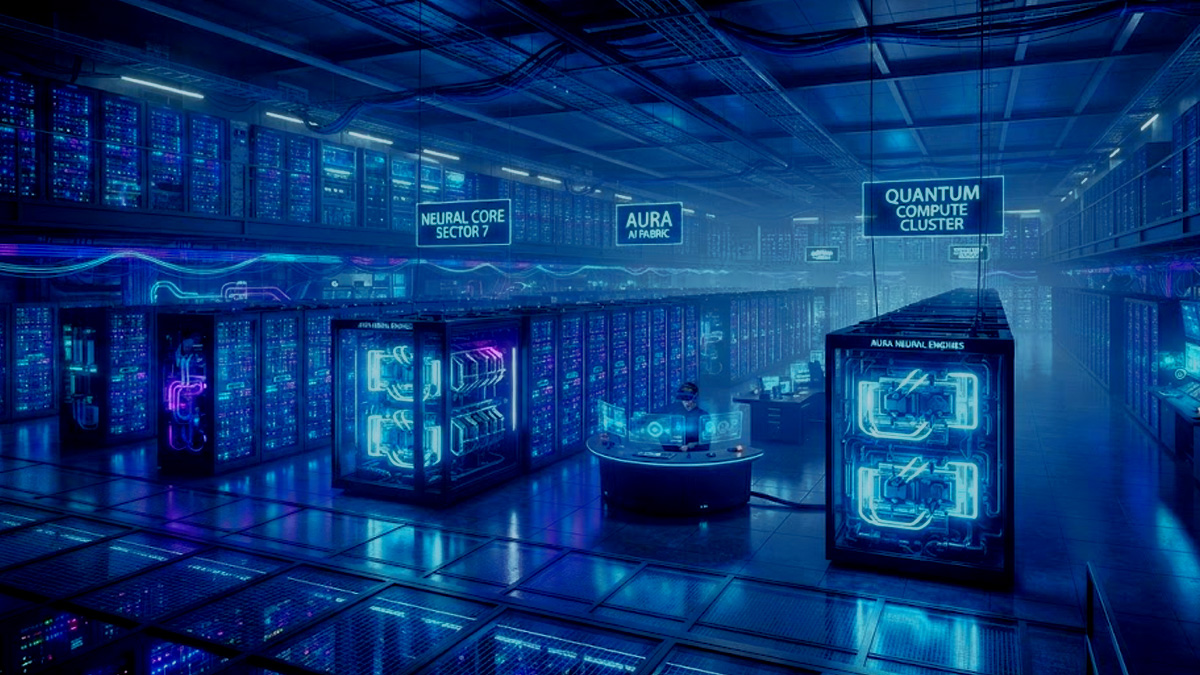
Image related to The AI Gold Rush is Sparking a Fierce Battle for Skilled Tradespeople, as Tech Giants Pour Millions into Training Electricians and Carpenters. (Photo: Metro Daily Reporter)
Table of Contents
The rapid expansion of artificial intelligence infrastructure across the United States has created an unprecedented demand for construction workers, particularly electricians and carpenters. Meta, Google, and BlackRock are collectively investing more than $265 million to recruit and train a new generation of skilled tradespeople to build the data centers that power the AI revolution . However, this "once-in-a-generation gold rush" is creating fierce labor tensions, sparking debates over training methods, and raising questions about what happens to these workers once the construction boom ends .
A $265 Million Investment in Human Infrastructure
The AI buildout has hit a physical bottleneck: a severe shortage of skilled labor. To address this, major tech companies and financial institutions are funding workforce development programs.
Meta is committing $115 million to the first year of its "America's Workforce Academy," a multi-year effort that will initially enroll around 5,000 people in a month-long course . The program, run with the non-union Associated Builders and Contractors, covers transportation and housing and guarantees participants a job with a Meta contractor upon completion .
Google is taking a different approach, dedicating $50 million to the International Brotherhood of Electrical Workers (IBEW) and its contractor network . Its goal is to boost annual apprenticeship intake from 19,500 to 30,000 over three years, concentrating on markets Google has identified as key .
BlackRock has contributed $100 million to expand skilled trades training for its data centers in Texas . This investment comes as the asset manager is the 80% owner of Meta's $12 billion El Paso data center .
Microsoft has also been active in this space, maintaining a data center technician training program since 2018 that now operates 39 locations globally and has trained approximately 15,000 people . Microsoft President Brad Smith has described the electrician shortage as the single biggest obstacle to expanding U.S. data centers .
A Labor Market Under Strain: The "Once-in-a-Generation Gold Rush"
The spending reflects a market under immense pressure . An Indeed analysis found that data center workers in hourly installation and maintenance roles earn roughly 42% above the wages for comparable positions elsewhere . Markets with heavy data center activity, like Dallas and Northern Virginia, have seen workers leave their current employers to chase signing bonuses and generous per diem packages .
Marty Schager, director of data center market development at Aerotek, said: "It is creating a labor tension that is really delicate. You've got a passive job-seeker community out there right now that I think is looking to potentially capture opportunity with this once-in-a-generation data center gold rush" .
The demand is so intense that developers are pulling workers to remote locations for extended shifts. The OpenAI facility under construction in Saline Township, Michigan, has drawn hundreds of electricians onto a schedule of ten-hour shifts with no days off .
The Training Divide: Apprenticeship vs. Crash Course
This recruitment drive has sparked a debate over how best to train the workforce. Labor unions have welcomed the investment but have drawn a sharp distinction between short-term credential programs and established apprenticeships .
Sean McGarvey, president of North America's Building Trades Unions, called Meta's four-week program "a brilliant public relations move," arguing it does not compare to a four-year apprenticeship . "Any investment in the industry is a good investment at the end of the day, but we're talking about apples and oranges here," McGarvey said .
The union's five-year apprenticeship requires 10,000 on-the-job hours. Applications for commercial electrical apprenticeships rose more than 70% between 2022 and 2024, but research shows that only about 45% of registered apprenticeship participants complete their programs .
The Looming Question: What Happens When the Boom Ends?
While the demand for construction workers is high now, the long-term outlook is uncertain. Data centers require far fewer workers to operate than to build . For example, the Stargate flagship campus in Texas will require just 357 staff by 2030, a tiny fraction of the crew that built it .
Goldman Sachs Research has projected that the data center boom will begin cooling by 2027 . This raises concerns for an apprentice who signed up for a five-year program in 2025: they may be ready to work just as the most expensive phase of construction winds down .
The potential oversupply of newly trained electricians could also push wages down in the wider construction industry . However, the long-term outlook for tradespeople remains tied to the broader electrification of the economy, driven by electric vehicles and renewable energy .

Related Articles