Student Loan Debt to Be Erased for 170,000 More Defrauded Borrowers in Landmark $23 Billion Settlement
A federal appeals court has ruled that the Education Department must forgive approximately $11 billion in student loans for over 170,000 borrowers who were defrauded by for-profit colleges. The decision upholds the 2022 Sweet v. Cardona settlement, bringing total relief to roughly 450,000 borrowers and $23 billion. The Trump administration's attempt to delay the deadline was rejected after missing court-ordered application review dates.
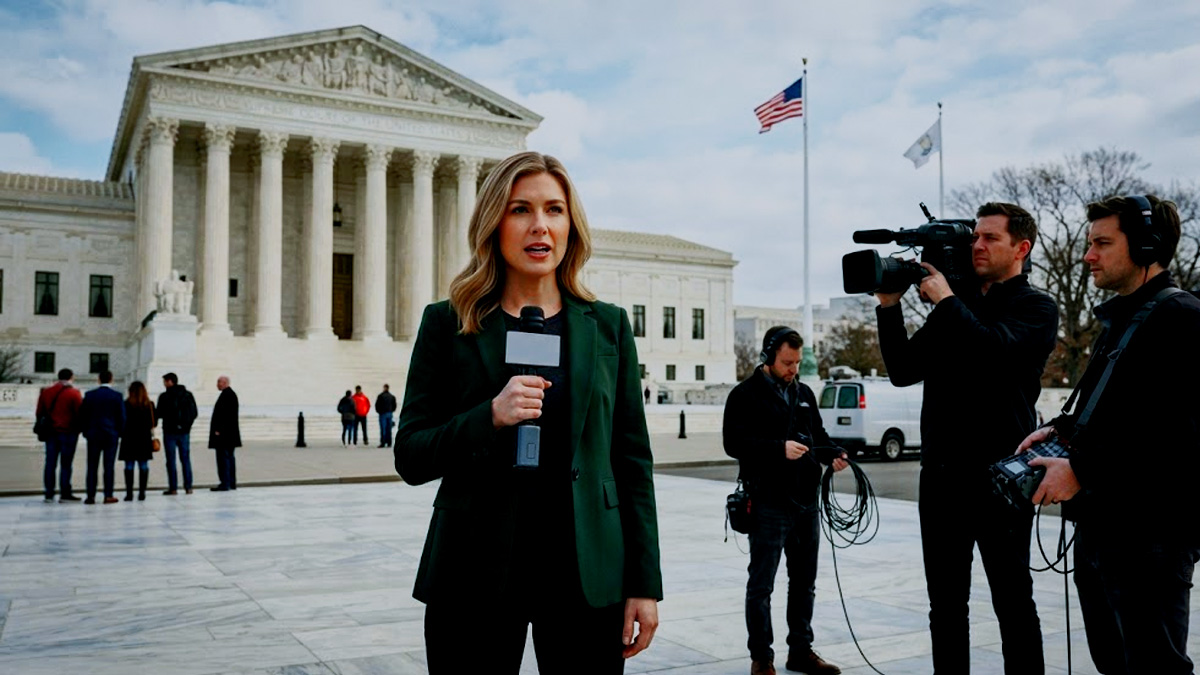
Image related to Student Loan Debt to Be Erased for 170,000 More Defrauded Borrowers in Landmark $23 Billion Settlement. (Photo: Metro Daily Reporter)
Table of Contents
170,000 Borrowers to see Student Loan Debt Erased
In a landmark ruling that marks the culmination of a seven-year legal battle, a federal appeals court has ordered the U.S. Department of Education to erase the student loan debt of more than 170,000 borrowers who were defrauded by their colleges. The decision, issued on July 17, 2026, by the U.S. Court of Appeals for the Ninth Circuit, rejects the Trump administration’s latest attempt to delay relief for borrowers who attended predatory for-profit schools .
The ruling represents the final chapter in a lawsuit originally filed in 2019, which has since become the largest class-action settlement against the federal government in American history. With this latest development, the Sweet v. McMahon settlement (formerly known as Sweet v. Cardona and Sweet v. DeVos) now totals at least $23 billion in relief for approximately 450,000 borrowers .
The Legal Battle: From DeVos to McMahon
The case began on June 25, 2019, when seven plaintiffs, including Theresa Sweet, filed a complaint against the Department of Education under then-Secretary Betsy DeVos . The lawsuit alleged that the department had unlawfully delayed and arbitrarily denied Borrower Defense applications—a federal rule that allows students to seek loan forgiveness if their schools engaged in misconduct related to the educational services provided .
According to the complaint, more than 160,000 former for-profit college students had submitted applications for loan cancellation, but the department had not granted or denied any since June 2018, with no timeline for reviewing them . The lawsuit, which has borne the names of three different education secretaries—DeVos, then Miguel Cardona under the Biden administration, and now Linda McMahon during Trump's second term—alleged that the department had "diverted its increasingly limited resources to undo all of the prior administration's work" .
In 2022, the Biden administration reached a landmark settlement, agreeing to immediately cancel federal student loans for approximately 200,000 borrowers who attended schools identified as having "strong indicators of substantial misconduct" . The settlement also established decision deadlines for "Post-Class applicants"—borrowers who applied between June 23, 2022, and November 15, 2022 . Under the agreement, the department was required to review and decide on these applications by January 28, 2026, or else provide automatic full relief .
Schools That Misled Borrowers
The settlement covers students who attended more than 150 mostly for-profit colleges, including ITT Technical Institute, Corinthian Colleges, DeVry University, and the Art Institutes . These schools were accused of making false promises about job prospects, earnings potential, accreditation, and credit transferability, leaving students with "worthless products that left students with thousands of dollars in debt, damaged credit, and depleted access to further student aid" .
Eileen Connor, president and executive director of the Project on Predatory Student Lending (PPSL), the advocacy group that brought the lawsuit, emphasized the severe consequences borrowers faced: "People were denied mortgages and car financing because of their federal debts. Others delayed starting a family or postponed medical care. Borrowers also described panic attacks, anxiety, depression and years of being unable to plan for the future" .
One borrower's student debt swelled to roughly $400,000 from $250,000 while waiting for the Education Department to decide on her claim .
The Administration's Objections and Court's Final Ruling
The second Trump administration repeatedly attempted to delay the settlement's implementation. In late 2025, the department filed a motion requesting an additional 18 months to review the remaining post-class applications, arguing that the original deadline was "unrealistic" and that the automatic relief would amount to a "substantial windfall at taxpayer expense" .
Education Department spokesperson Ellen Keast stated: "The Sweet settlement, negotiated by the Biden Administration, imposed an unrealistic deadline for the Department to either adjudicate 200,000 borrower defense applications or else discharge the debt—amounting to windfall cancellation of upwards of $12 billion in student loans this year" .
However, the Ninth Circuit Court of Appeals rejected these arguments, noting that the department had known about the scope of the post-class applications—approximately 179,000 in September 2022 and over 205,000 by February 2023—yet failed to object until nearly three years later . The court's memorandum stated: "The agency did not object to any aspect of this order until its first Rule 60(b) motion approximately three years later" .
Who Benefits and What Comes Next
The latest ruling affects post-class applicants who did not receive a decision on their Borrower Defense applications by the court-ordered deadlines . Borrowers eligible for relief should have received notification from the Education Department via email from [email protected] .
The average federal student loan balance cleared under the settlement exceeds $48,000, and borrowers may also qualify for refunds of previous payments, with the typical refund exceeding $15,000 . Under the settlement terms, the latest the Education Department must clear an eligible borrower's debt is June 15, 2027, and borrowers are not required to make payments while they wait for forgiveness .
Connor emphasized the significance of the victory: "It made clear that the federal government cannot simply disregard borrowers' rights and its own legal obligations without consequence" . She added: "In terms of monetary relief provided, Sweet is the largest class-action settlement in American history and the largest settlement ever reached against the federal government" .
For borrowers who were not part of the Sweet settlement, the Borrower Defense program remains available, but the automatic relief under this agreement is specifically tied to applications filed on or before November 15, 2022 . New applicants should not assume they qualify under this settlement and must go through the standard application process .

Related Articles